
Home Technology Products Solutions Services News Contact Request a Quote

Isothermal nucleic acid testing

Molecular results in 5–15 minutes, at 37–42 °C.

ZC Bioscience develops Recombinase-Aided Amplification (RAA): a rapid isothermal platform that runs without a thermal cycler, ships as lyophilised pellets and reads out on a portable fluorescence analyzer — built for on-site and field testing.

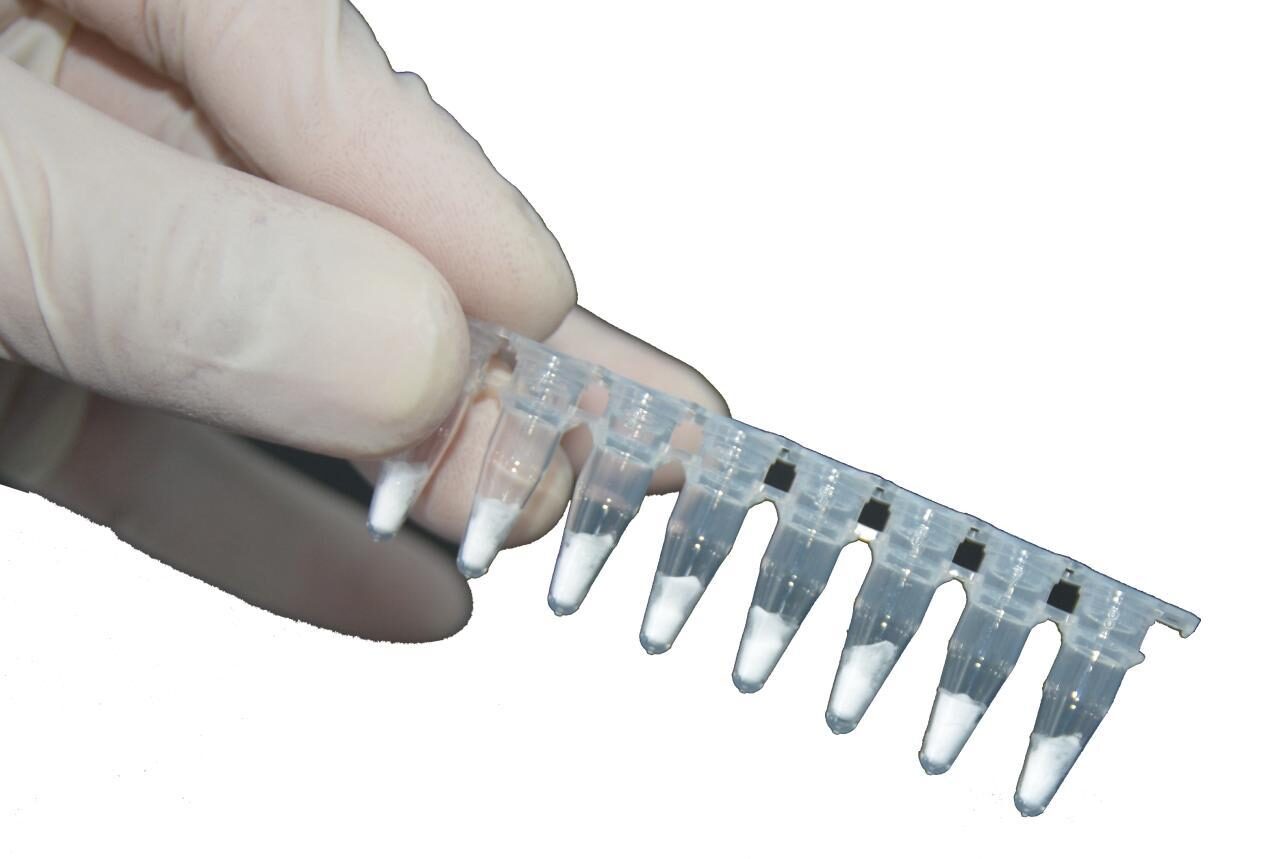
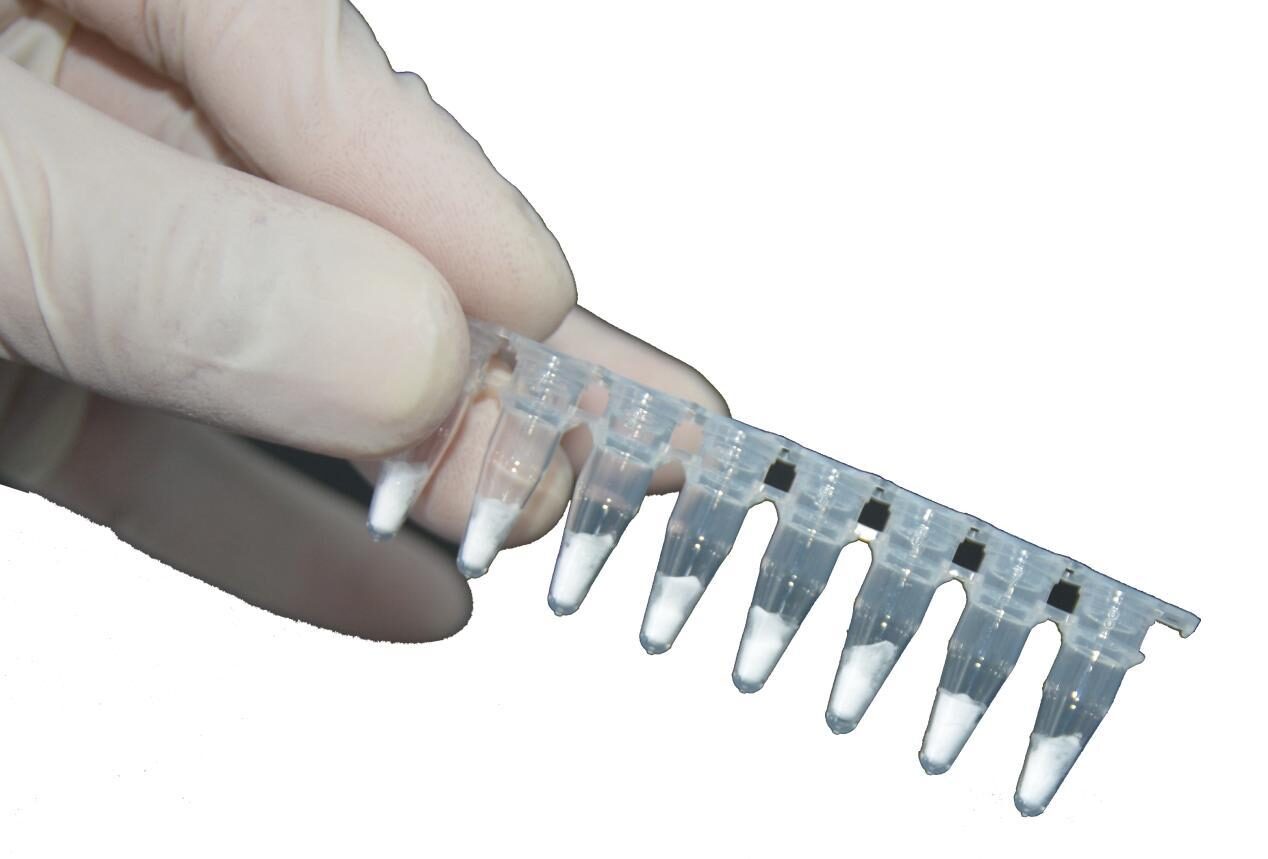
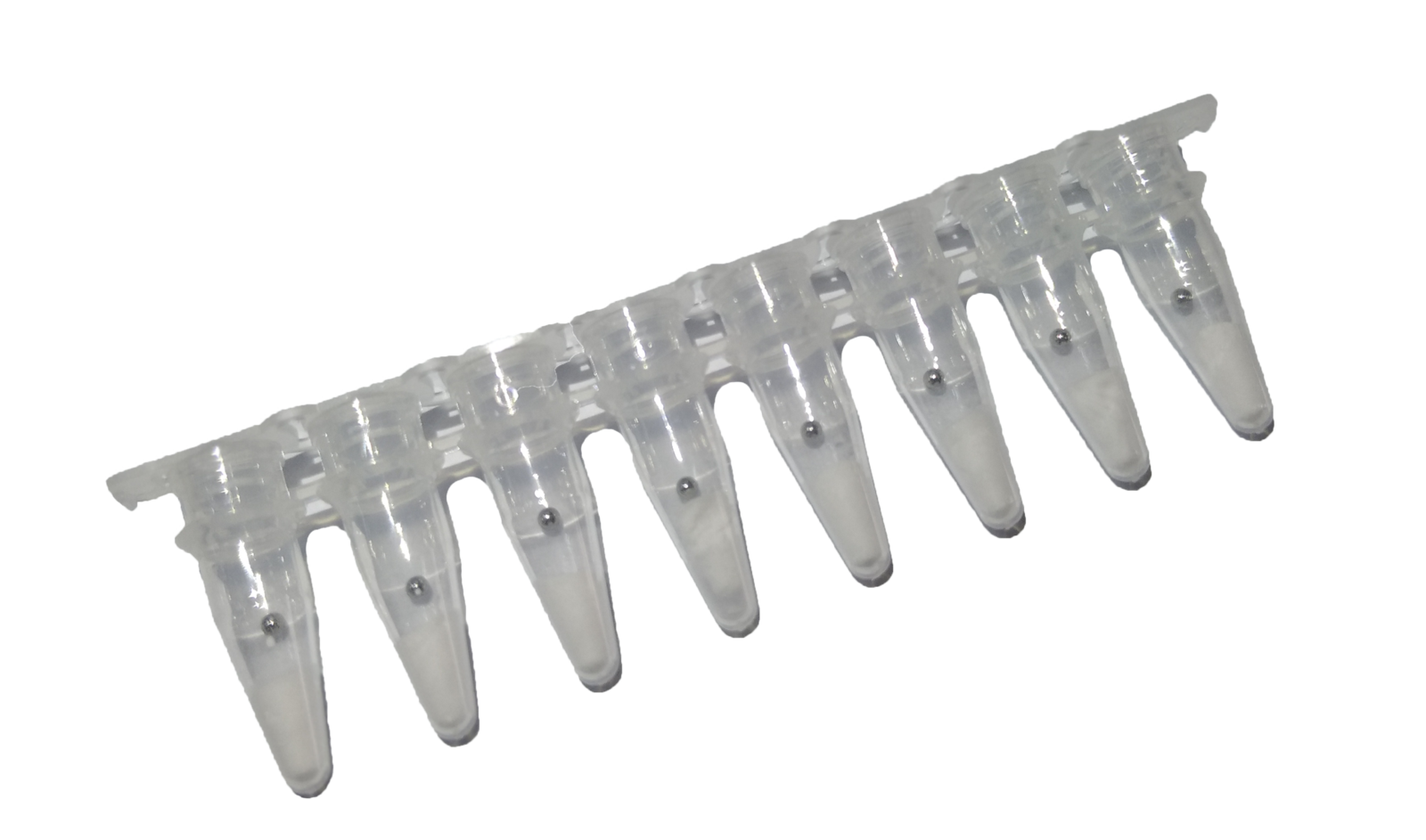
Gloved hand holding an 8-tube strip of lyophilised RAA reagent pellets Lyophilised RAA reagents
5–15 minfluorescence result
  • 37–42 °CIsothermal reaction — no thermal cycler required
  • 29Catalogued products across 5 categories (RUO)
  • 8 wells × 2Genchek analyzer: FAM & ROX channels, 3.8 kg
  • 1 %Limit of detection for meat-species adulteration

RAA technology

Recombinase-Aided Amplification — a breakthrough isothermal alternative to PCR

Recombinase-Aided Amplification (RAA) is a rapid isothermal nucleic acid amplification technology. A recombinase obtained from bacteria or fungi binds tightly to the primer DNA at ambient temperature, forming a recombinase–primer complex. When the primer locates its fully complementary sequence on the template, single-stranded DNA-binding protein helps open the double strand, and DNA polymerase synthesises a new complementary strand. The product accumulates exponentially.

With a labelled fluorescent probe the reaction can be read in real time; a fluorescence result is typically available within 5–15 minutes. All reaction components are pre-mixed and lyophilised in the tube — simply add Buffer A, Buffer B and the extracted sample DNA. RAA can in principle be multiplexed: two or more primer pairs in one reaction amplify several targets simultaneously.

Magnifying glass over a DNA double helix
  • Simple operation

    Molecular-level testing in a two-step workflow that does not require specialist staff.

  • Fast

    Results in 5–15 minutes — truly rapid testing.

  • Accurate

    High sensitivity and specificity; precise recognition of the target sequence.

  • Portable

    Compact instruments suited to harsh field conditions and on-site inspection.

  • Isothermal

    Runs at 30–42 °C; no thermal cycler or other expensive equipment required.

  • Lyophilised

    Reagents supplied as freeze-dried pellets: ready to use, easy to ship, free from freeze–thaw loss.

Platform comparison

RAA vs PCR vs LAMP

ParameterPCRLAMPRAA
EnzymesTaq DNA polymeraseStrand-displacing DNA polymeraseRecombinase, SSB, strand-displacing DNA polymerase
Reaction temperatureHigh, thermal cycling60–65 °C37–39 °C
Reaction time1.5 h40 min15 min
Primer pairs121
Reagent formatLiquidLiquidLyophilised pellet
ReadoutGel; real-time fluorescenceVisual turbidityGel; real-time fluorescence; lateral-flow strip
Typical drawbackSlowAerosol, false positives

Comparison values as published by ZC Bioscience for typical assay conditions. All reagents are for research use only.

Products

Five product families, one isothermal platform

Core amplification enzymes, a portable analyzer, sample-prep kits, a 17-kit food-safety series and a fully automated system. All reagents are for research use only (RUO).

8-tube reagent strip with lyophilised RAA pellets

01 · RAA core amplification kits

RAA Core Amplification Kits — Enzyme Reagents (RUO)

Pre-mixed, lyophilised enzyme systems for rapid DNA or RNA amplification. 30 min at 30–42 °C (optimum 37–39 °C) yields a gel-detectable product; fluorescent formats read in 5–20 min on the Genchek analyzer or standard real-time instruments. Over 10⁷-fold amplification of the target. Primers 30–35 bp, probes 46–52 bp.

  • S001ZCRAA Basic Nucleic Acid Amplification Kit (DNA, gel readout) (RUO)
  • S002ZCRAA Fluorescent Nucleic Acid Amplification Kit (DNA, real-time) (RUO)
  • S003ZCRT-RAA Basic Nucleic Acid Amplification Kit (RNA, gel readout) (RUO)
  • S004ZCRT-RAA Fluorescent Nucleic Acid Amplification Kit (RNA, real-time) (RUO)
  • S005ZCRAA-nfo Nucleic Acid Amplification Kit (Lateral-Flow Strip, DNA) (RUO)
  • S006ZCRT-RAA-nfo Nucleic Acid Amplification Kit (Lateral-Flow Strip, RNA) (RUO)
  • 48 tests / kit
  • 50 μL reaction
  • Lyophilised
  • −20 °C, 12 months
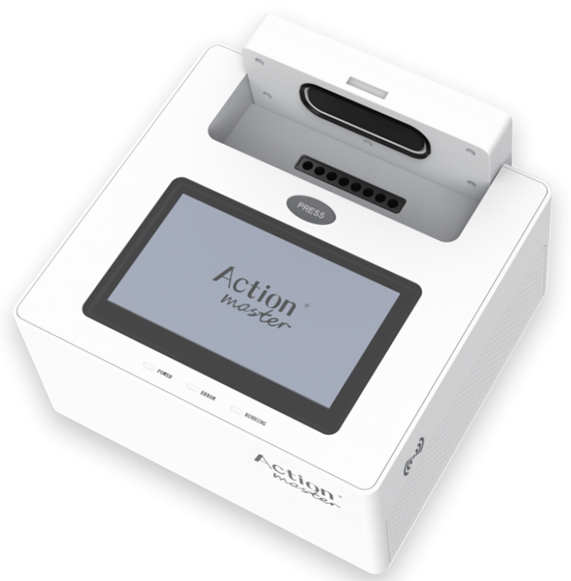
Genchek isothermal fluorescence analyzer

02 · Instrument

Genchek Isothermal Fluorescence Analyzer

An integrated, portable rapid-test analyzer for on-site and mobile testing. Built-in reagent mixing, fully matched to RAA reagents; dual fluorescence channels (FAM & ROX) allow up to 16 targets per run; all assays run under one software interface with automatic data analysis and report generation.

  • 8 wells · FAM / ROX
  • 3.8 kg
  • Ambient to 65 °C, ±0.5 °C
  • 255 × 240 × 123 mm
  • AC 100–240 V, 120 W
Gloved hand holding an 8-tube strip used for rapid nucleic acid extraction

03 · Sample preparation

Rapid Nucleic Acid Extraction Kits (RUO)

Purpose-built to yield RAA-ready nucleic acid from animal tissue, blood, meat products, plant tissue, seeds, swabs and bacteria. No hazardous solvents; low cross-contamination risk. Store at room temperature, 12 months.

  • ND01ZCRapid DNA Extraction Reagent, heat-lysis — 5 min, 50 preps (RUO)
  • ND02ZCUniversal Rapid DNA Extraction Kit, spin column — 15 min, 50 preps (RUO)
  • ND03ZCUniversal Rapid RNA Extraction Kit, spin column — 10 min, 50 preps (RUO)
  • ND06ZCMagnetic-Bead DNA Extraction Pre-filled Plate, for automated extractors — 25 min, 96 preps (RUO)
Three conical flasks with coloured reagents in front of a DNA motif

04 · Food safety molecular detection series

Food Safety Molecular Detection Series — 17 kits (RAA, Fluorescent) (RUO)

Target-specific RAA kits read directly from the amplification curve — no electrophoresis. 24 tests per kit; −20 °C, 6 months. Compatible with Genchek-I / Genchek-II and standard real-time PCR instruments (ABI, MJ, Roche, Bioer series).

Animal-species (meat authentication) — 10 kits, A101ZC–A110ZC · LOD 1 %

Chicken (A101ZC) · Duck (A102ZC) · Pork (A103ZC) · Bovine (A104ZC) · Sheep & Goat (A105ZC) · Rat (A106ZC) · Horse (A107ZC) · Mink (A108ZC) · Fox (A109ZC) · Donkey (A110ZC) — each “[Species]-Derived Ingredient Molecular Detection Kit (RAA, Fluorescent) (RUO)”

Foodborne pathogens — 7 kits, B201ZC–B207ZC · LOD 10³ cfu/mL

Staphylococcus aureus (B201ZC) · Salmonella (B202ZC) · Pseudomonas aeruginosa (B203ZC) · Listeria monocytogenes (B204ZC) · Haemolytic Streptococcus (B205ZC) · Vibrio parahaemolyticus (B206ZC) · Shigella (B207ZC) — each “[Pathogen] Molecular Detection Kit (RAA, Fluorescent) (RUO)”

GMO screening — elements and events

Element kits: hpt, Bt, nos terminator, CaMV 35S promoter, FMV 35S promoter, bar (RAA, Fluorescent) (RUO). Event kits on request: GM Soybean GTS 40-3-2 and MON89788, GM Maize MON810 and Bt11, GM Canola T45 and Oxy-235 (RUO).

05 · Automated system

Genchek Fully Automated Isothermal Nucleic Acid Detection System

Sample in, result out in about 30 minutes. One instrument performs pipetting, lysis, nucleic acid purification, isothermal amplification, fluorescence detection, analysis and reporting — load the sample and the system does the rest.

  • ~30 min run
  • 1 sample / run
  • FAM / ROX
  • 7-inch colour touchscreen
  • 16 kg · 260 × 325 × 420 mm
  • UV lamp & air purification

Solutions

Three RAA workflows for food-safety laboratories

Each solution pairs target-specific lyophilised kits with the Genchek analyzer: extract, add buffer, read the curve in 15 minutes. Method references: ISO 20813 (animal species) and ISO 21569 (GMO) — reference only.

Raw beef and pork cuts on a wooden board

Meat species authentication

Animal-derived ingredient detection

As price gaps between meats widen, species substitution and adulteration are increasingly common. RAA-based species kits detect species-specific genes in animal tissue, blood, foods, meat products (incl. processed meat) and feed, with no cross-reaction between species. Limit of detection: 1 % adulterated meat.

  • Chicken
  • Pork
  • Duck
  • Beef
  • Sheep / Goat
  • Rat
  • Horse
  • Mink
  • Fox
  • Donkey

10 species · 5–15 min · lyophilised · Genchek analyzer

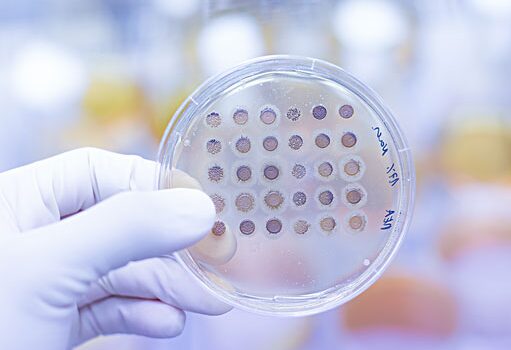
Gloved hand holding a culture plate with bacterial colonies

Foodborne pathogens

Pathogen detection in food, beverages, cosmetics and seafood

Pathogenic bacteria account for an estimated 40–50 % of reported foodborne-illness cases in China each year. RAA pathogen kits combine multi-channel detection, short run times and high sensitivity — raising throughput and moving food-safety warnings earlier. Limit of detection: 10³ cfu/mL.

  • Staphylococcus aureus
  • Salmonella
  • Pseudomonas aeruginosa
  • Listeria monocytogenes
  • Haemolytic Streptococcus
  • Vibrio parahaemolyticus
  • Shigella
  • E. coli O157:H7
  • Vibrio cholerae

9 targets · method reference: GB 4789.x / SN/T series

Blue DNA double helix rendering

GMO screening

Transgenic ingredient detection in crops

Regulators worldwide require labelling and control of GM material to protect consumers' right to know. ZC Bioscience's RAA-based GMO kits specifically detect exogenous elements and events in crops, identifying GM material at the molecular level.

  • Bt
  • bar
  • hpt
  • CaMV 35S promoter
  • FMV 35S promoter
  • nos terminator

6 screening elements · event kits for soybean, maize and canola on request

Services

From first question to custom target

Technician pipetting in a laboratory

Technical service

Expert technical support

Our R&D team answers every product question with patient explanation and demonstration. We provide consultation, technical documentation, training and application support.

  • Assay set-up and protocol guidance
  • Instrument compatibility advice
  • Technical documentation and training
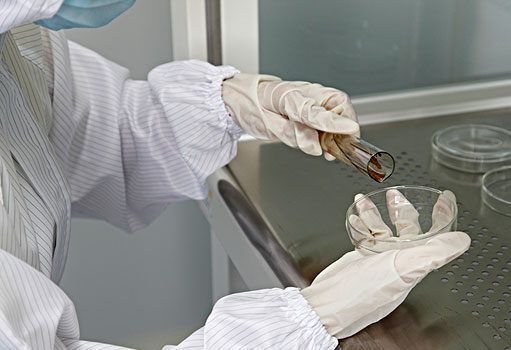
Laboratory technician transferring a sample into a culture dish

After-sales

Long-term after-sales support

Good after-sales service earns customer trust. We provide quality after-sales service with long-term technical documentation and support; our engineers respond promptly by email, online or by phone.

  • Response Mon–Fri 9:00–18:00 (UTC+8)
  • Remote troubleshooting and guidance
  • Tel +86 571 8861 9668
Scientist working with a pipette and culture dish

Custom development

Custom assay development and OEM

RAA is a versatile, portable rapid-testing platform. We develop custom RAA assays for new targets to meet specific customer needs, and co-develop RAA-based detection kits under strategic agreements with partner organisations.

  • Target-specific primer and probe design
  • Lyophilised custom kit formats
  • OEM and co-development projects

Company

An R&D-driven biotechnology company in Hangzhou

Hangzhou ZC Bio-Sci & Tech Co., Ltd. ("ZC Bioscience") is an R&D-driven biotechnology company based in Hangzhou, China. We develop and apply Recombinase-Aided Amplification (RAA), an isothermal nucleic acid amplification technology, and supply RAA-based reagents, extraction kits and portable fluorescence instruments for rapid molecular testing. All reagents are for research use only.

Since September 2016 the company has accelerated product development for RAA-based rapid food-safety testing, launching in turn the animal-species molecular detection series, the foodborne pathogen series and the GMO ingredient series. Other application areas include environmental monitoring, aquaculture pathogen detection and animal disease detection. ZC Bioscience has signed strategic cooperation agreements with government institutions and research organisations across several fields to co-develop RAA-based detection kits.

  • ~500 m²Laboratory space, plus ~400 m² of offices
  • RMB 12 M+Installed equipment value
  • 90 %+R&D team holding master's degrees or higher
  • 5050Hangzhou Binjiang District "5050 Talent Program" — key cultivated enterprise
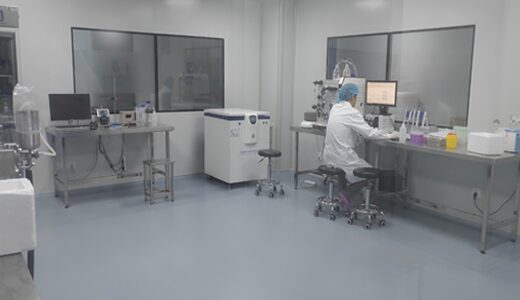
ZC Bioscience laboratory with benches and instruments
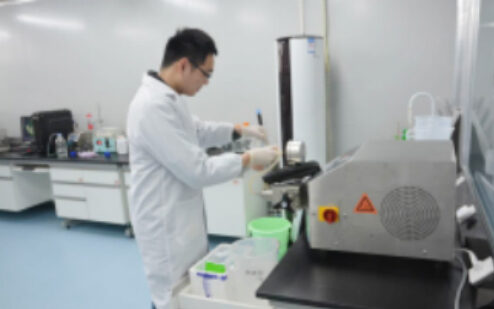
Scientist working in a laboratory
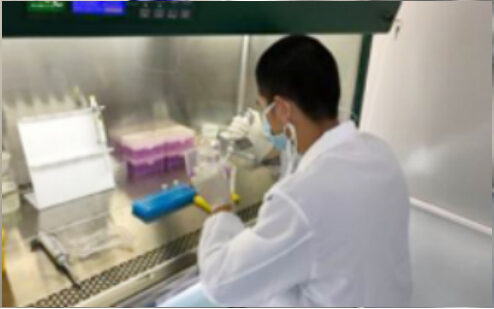
Scientist working at a clean bench

News

Company news

Literature | Rapid Nucleic Acid Amplification by Recombinase-Aided Amplification

In-vitro rapid nucleic acid amplification enables trace nucleic acids to be amplified efficiently and has been widely applied in molecular biology since its introduction. Recombinase-aided amplification is an isothermal in-vitro method developed on the basis of existing amplification principles.

Explainer | Recombinase-Aided Rapid Nucleic Acid Amplification

Nucleic acid amplification lets trace nucleic acids be amplified rapidly in vitro. RAA replaces the thermal-cycling denaturation of conventional PCR with a recombinase, single-stranded DNA-binding protein and DNA polymerase, enabling rapid amplification at a constant 37 °C.

Highlights | RAA Technology Debuts at the Food Microbiology Detection & Control Exchange

On 20–22 July 2017 the 7th Food Microbiology Detection and Control Technology Exchange was held in Shanghai, jointly organised by the Agro-product Safety Research Center of the Chinese Academy of Inspection and Quarantine, the Analytical Microbiology Committee of the Chinese Society for Microbiology, and Foodmate.

Forum | 7th Food Microbiology Detection & Control Technology Exchange (19–22 July)

Foodborne disease caused by pathogenic microorganisms is the number-one food-safety issue. Controlling contamination, strengthening laboratory capability and applying advanced microbial detection and control technology in production have become focal concerns for regulators and food companies alike.

ZC Bioscience at the 10th China International Food Safety & Quality Conference (CBIFS 2017)

The annual CBIFS food-safety technology forum was held on 7–8 April 2017 at the Hangzhou International Expo Center. ZC Bioscience, a newcomer to food-safety testing, made its debut at the conference.

Contact

Request a quote or a technical conversation

Tell us your target, sample type and expected volume. We reply with catalogue numbers, formats and lead times.

Address
Tianhe Hi-Tech Park, Bldg 5, 688 Bin'an Rd, Binjiang District, Hangzhou 310052, China
Hours
Mon–Fri 9:00–18:00 (UTC+8)
All reagents are for research use only. Not for use in diagnostic procedures.